

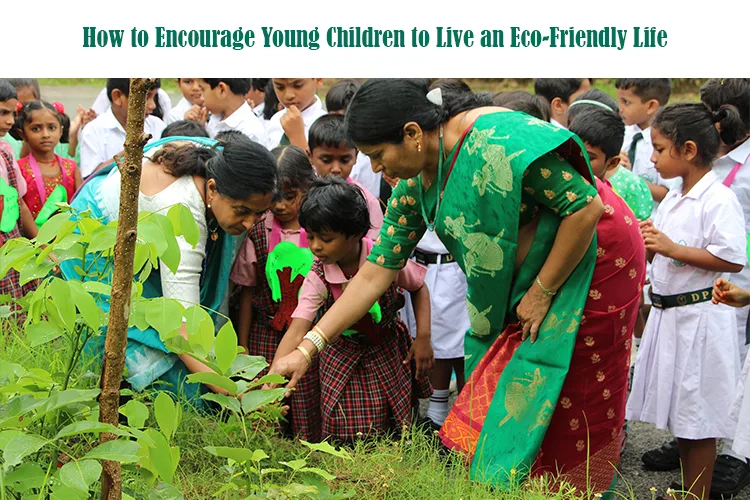
Without a healthy planet, we will not be able to survive in the long run. This is regardless of how much we learn, how hungry we are, or how far science and technology have advanced. We must discuss and raise awareness about different ways to lead a sustainable lifestyle to create a more environmentally friendly future. The accumulation of waste on our cherished planet Earth has worsened due to rapid urban growth and industrial activities. This negatively impacts the quality of the food, water, and air we breathe. As responsible parents, we must educate the next generation about sustainability before it’s too late.
The vast majority of brain development takes place between the ages of three and ten. During this time, children are best able to develop the positive social-emotional skills they require to understand environmental values. We at DPS Warangal, the best CBSE school in India, concentrate on teaching them the fundamentals of an eco-friendly environment at school. The knowledge during these early years will help them identify environmental problems later in life. This will enable children to share their thoughts with peers and help each other come up with solutions for a better future.
Small changes every day might help us make sustainable living a habit. Below are some suggestions for teaching young children the same.
Turn eco-education into playtime.
Although the idea of learning through play is not new, it is extremely valuable for environmental education. The easiest language through which young minds can be taught is via playing. It’s how kids learn to solve problems, understand the world around them, and develop their social, mental, and motor abilities. Children can learn about flora, fauna, as well as the value of protecting nature through outdoor activities. Indulge with them in scavenger hunts, gardening, and nature walks. Build toys from scratch by repurposing everyday waste like forts out of cardboards or pencil holders by used bottles. Kids will love and engage more with sustainability when you turn this into a fun activity.
- Building love for the outdoors.
Your backyard is a good place to start. Participate with kids in planting a garden or a tree. Show them how to set up birdhouses, feeders, and a birdbath. Ask kids to regularly clean and refill the bath and tidy up the empty seed shells surrounding them. While on outings, you can spend time pointing out various elements of nature such as plants and animals. Educate them about how different components of nature need each other to co-exist and why protecting it is so important. Children can learn by observing how plants grow in various environments or how animals need clean water sources to survive. By doing these, children are more likely to develop an emotional bond with their surroundings and show concern for it.
Talking to kids about the planet.
Our home is where environmental education begins. Teach kids about the history of our planet and the things that are good for it or bad. Simplify the message by teaching them about the small issues on ground level. This can include steps as simple as saving water and electricity. Children can gain better understanding by reading stories about the Earth, animals, and nature. Stories about how animals coexist peacefully or the effects of pollution on the planet are both entertaining and instructive. In order to start a conversation, you can also encourage kids to ask questions after the story. Ask them questions such as “How do you think we can help animals?” or “What would you do to help keep the Earth clean?” This will result in deeper conversations about environmental responsibility.
DIY crafts and upcycling projects.
Engaging children in hands-on, eco-friendly activities can deepen their understanding of sustainability. Composting, gardening, and making do-it-yourself projects are examples of activities that entertain as well as educate kids. Children can learn a lot about the value of plants and sustainable food production through gardening. Allow them to sow seeds, give them water, and then watch as their labors yield fruits, vegetables, or flowers. Another suggestion is to teach them about composting. Show them how food waste can result in nutrient-rich soil for their garden.
Teaching kids about sustainable eating.
Eating vegetables is only one aspect of sustainable eating. Your children can gain a better understanding of the food supply chain and food waste by having conversations with you. Take them grocery shopping and purchase minimally packaged fruits and vegetables that are in season and locally grown. Practicing healthy habits like storing any excess fruit and vegetables in the freezer can set good examples for the young kids. To ensure that older items are consumed before buying fresh food, teach kids to pre-check the food supplies in the refrigerator. Instead of being disposed of with regular garbage, leftover food scraps and peels can be placed in a composting bin. For general food waste, give them kid-friendly instructions on how to create a compost box in the garden.
- Eco-friendly transport for school and play.
Teach your children how to use public transportation. They should be taught about the advantages of bicycling over personal cars, and of walking over driving. All of these behaviors will help them grow up to be fit, healthy, while becoming an ecologically conscious adult. To cut down on the number of cars on the road, encourage carpooling with friends, neighbors, or fellow students. Describe how carpooling can help the environment in simpler terms that young kids can grasp. Instead of mentioning carbon emission, tell them about how harmful the smoke from cars is for the environment.
Water and energy conservation.
Teaching your kids to conserve the resources that are already available is vital to teach them how to live an eco-friendly lifestyle. Every small action, like reducing food wastage, closing the refrigerator, turning off the lights, turning off the water tap, avoiding water waste, and washing your hands with less water counts. These healthy habits can help your kids develop the habit of conservation.
Environmentally conscious parents are aware that their children will need to make correct ecological decisions on their own. This implies that kids should start learning about their surroundings at a young age. It doesn’t have to be difficult to teach kids about sustainability. We can encourage a sense of responsibility for the environment by involving them in easy, everyday activities. Every action, whether it’s gardening, following the 3Rs, or viewing instructional videos, matters in raising awareness. At DPS Warangal, we think that the core element of holistic education is sustainability, and we want to encourage our students to make decisions that will benefit both the environment and themselves.