

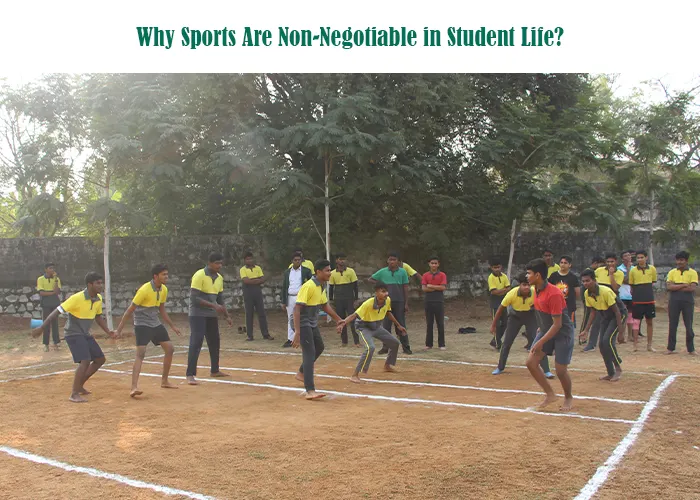
Sports are not just an optional activity for students; they are an important part of a student’s complete growth and development. However, the importance of sports in student life should not be underestimated. For example, sports are a source of fun, fitness, mental health, discipline, and life skills, which a textbook can’t provide.
The Foundation of Health: Physical Benefits
Students are sitting in classrooms and in front of screens for many hours each day. These reasons show why sports matter so much in student life. Regular physical activity has serious benefits for students.
For Example:
- Improving heart and lung function
- Developing bones and muscles
- Controlling body weight and preventing obesity
- Reducing the risk of lifestyle diseases, such as diabetes
According to the World Health Organization (WHO), children and adolescents should participate in at least 60 minutes of physical activity each day to be healthy and active.
Playing sports is one of the best ways for students to do this, while also having fun.
Mental and psychological well-being
Sports don’t just improve muscles; they improve minds as well. Stress and anxiety are normal with all the pressures of exams and assignments.
Moving our bodies releases stress-relieving endorphins, also called “happy hormones,” that reduce stress levels, boost mood, and improve sleep.
Students who actively play sports gain a range of benefits, such as:
- Have more confidence, for example, from scoring a goal or working on their personal best
- Develop stability in losing and dealing with setbacks
- Focus and energize themselves better for academic work
Research at Harvard Medical School supports the benefits of exercise and shows that regular exercise has effects on memory, concentration, and learning, so exercise is an important part of academic success.
The social playbook: character and social development
Sports have one of the greatest benefits in developing character. As a team, you learn cooperation, communication, and trust. Students have opportunities to lead, either as captains or through encouragement of their teammates.
Managing sports and studies also seeds discipline and time management. Each game teaches students respect: respect for coaches, respect for teammates, and respect for the opposition. These values will last long after their chance to participate in school activities is over.
Academic performance and sports: striking the balance
One of the major myths is that sports distract students from their schoolwork. The reality is different; study shows that athletes consistently score higher on average in school.
Here are the reasons:
- Sports improve focus and memory abilities, allowing students to understand and learn content more quickly.
- Sports provide an opportunity to learn time organization skills, as students must balance their schedules with practice, games, exams, and studying.
- Taking a break to engage in physical activity energizes the brain and increases productivity during study hours.
For example, many schools today promote frequent engagement in sporting activities. Not only have they produced athletes, but they have also had high achievers academically. This means that sports and academics are not mutually exclusive; they coexist symbiotically.
Sports and leadership: preparing for future roles
Athletic playing fields are generally the first environments that develop leadership. Whether it be as a captain of a cricket team, a midfielder in soccer, or even a relay team runner, the culture of team play with respect to others becomes one that entails responsibility, motivation, and decision-making while under pressure.
This training prepares students to develop real-world leadership skills desired by employers and society.
Employers today want individuals who can collaborate, communicate, and lead change. Students who have participated in athletics develop such traits naturally.
For example:
Microsoft CEO Satya Nadella states, “he learned a critical lesson about leadership not during his time as an executive in the tech industry, but from his experience playing high school sports in India.”
The role of parents and teachers in sports
Sports can impact a student’s life, but when parents and teachers are involved, the impact is even greater. Parents who encourage their children, attend competitions, or simply cheer for their children make students feel empowered and eager to participate in the activity. Teachers and coaches guide them, teach them skills, and help balance sports with their education.
Parents, teachers, and coaches working together help students do more than participate in sports; they help them achieve success in their sport and teach them a lot of valuable life lessons, such as discipline, teamwork, accountability, and perseverance.
Long-term life skills gained through sports
Sports are important in the growing years of a child, but the benefits of sport and athletic ability extend well into adulthood.
A child who plays football or badminton learns more than just how to win; they learn to bounce back, adapt, and keep going.
Key long-term skills include the following.
- Under pressure decisions: Quick decisions made in a game reflect real-world decisions at work or home.
- Dealing with failure: Understanding how to gracefully lose is just as important as winning.
- Collaboration and networking: Knowing how to work with other people is a skill that is needed in every area of life.
- Self-direction: Once you push yourself to train, practice, and improve, you develop a habit. These habits can apply to future goals you want to achieve.
That is why many colleges and organizations value applicants with a sports background. It signifies qualities such as tenacity, perseverance, and the ability to succeed in highly competitive environments.
In fact, many studies have shown that participating in sports helps young people increase their leadership skills and gain self-confidence.
In addition, a 2013 Ernst & Young survey found that 96% of women in C-Suite positions had participated in sports.
Bringing it all together
Sports are not just running around a field. It is more than just exercise for a healthier body; rather, it is building a stronger mind and a well-rounded personality. Sports teach students to tackle challenges, whether facing them in school, at home, or in the outside world.
T DPS Warangal, Working with teachers and coaches as partners, students get to experience the amazing benefits of playing sports and become confident, capable human beings.