

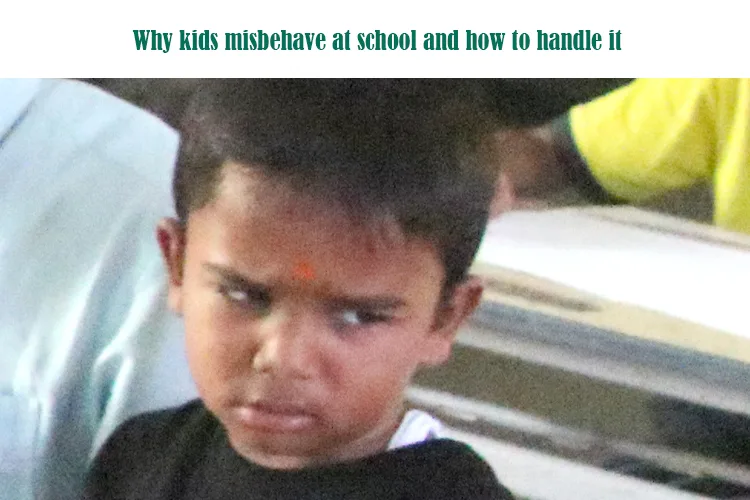
When a student behaves in a way that is against the standards and guidelines of the school, it is considered misbehavior. It includes making unneeded noise in class, not following directions, acting disrespectful toward teachers or peers, breaking school rules, or getting into arguments. It affects the child’s education by disturbing the overall classroom setting.
Know why a kid is misbehaving in the first place. Knowing the reason will help parents and teachers fix a lot of these bothersome classroom behaviors since a large portion of a teacher’s work is controlling classroom behavior. Read below to learn the main reasons behind a student misbehaving and how you, as a parent, can make it better.
Understanding misconduct at a fundamental level
When kids don’t feel involved, supported, or confident, they misbehave. Let’s examine the six main causes of children’s misbehavior before we learn how to handle it in the classroom:
When children feel ill, they misbehave.
A child’s behavior is greatly influenced by their physical health. Irritability and crankiness can result from a lack of sleep, a poor diet, a lack of exercise, and fresh air. A child is more likely to act out of discomfort and frustration if they are hungry, tired, or ill.
They are unaware and inexperienced.
Children are still learning and developing since they are not fully grown yet. Similar to learning errors, behavioral errors are a natural part of growth. A lot of what we call misbehavior is just kids making mistakes because they’re still learning and figuring things out.
When children are upset, they misbehave.
A child’s behavior is heavily impacted by their emotional stability. Major life transitions, like the birth of a new sibling, a family member’s illness, or relocating, make kids feel insecure and encourage misbehavior.
When children are discouraged, they misbehave.
Positive reinforcement and encouragement are good for positive behavior. When their efforts go unappreciated, children turn to misbehavior as a way to get attention.
When children feel insecure, they misbehave.
A child’s willingness to participate with their environment depends on their level of confidence. When a child lacks confidence, they act out to cover up their fears.
What parents can do at home
Children express their thoughts and feelings through their actions. All behavior is a kind of communication when they are not able to express themselves verbally. Often resulting in misbehavior. When deciding how to react, think about the reasons behind your child’s misbehavior and look for any underlying causes.
1. Create a helpful environment at home.
Creating a supportive home environment is essential. To make your child feel safe and to let you know what to expect, set up clear routines and boundaries. Encourage open communication and make your child feel at ease enough to share their concerns and challenges. When your child behaves well during the school day, give them praise at home and let them select a special prize from a “reward list.” Rewards include selecting a special dessert for dinner, playing on the iPad, or going to the park with Mom or Dad. Once in a while, let your child choose a reward after having a good day at school.
2. Put solutions first, not punishment.
Steer clear of severe penalties when dealing with misbehavior. Instead, focus on understanding the reason behind the behavior and work together to find solutions. This can help your child solve problems, teach them coping skills, or give them tools to boost their self-expression. Have your child play with you as you usually would and follow his or her regular after-school schedule. This method will help your child learn that positive behavior results in pleasurable rewards and lessen misbehavior at school.
3. Collaborate with educators and school personnel.
Having a good relationship with your child’s teachers may make it much easier to manage their misbehavior. Keeping regular communication would guarantee that you and the school are collaborating to support your child. Teachers can give you useful information about how your child behaves in class, and you two can work together to develop strategies to address the problems at home and school. If the behavior is grave and has occurred twice or thrice, you need to devise a system for handling this behavior that works for both you and the teachers.
4. Sit down with your child and talk.
Make a note if the misbehavior appears to be a single instance of a small offense. For example, calling someone names, not sharing, forgetting assignments, and interrupting other students. Let your child calmly know that the school has informed you about their misconduct. Say things like – “I am disappointed this happened, and I hope you rectify this and have a better school day tomorrow.” Keep this discussion brief and direct and let them know about your expectations. You and your child must discuss concrete strategies for further avoiding such occurrences in the future. Talking clearly with your kid can also help you understand what’s bothering them. You can then talk them through this and help become a better classmate to other peers.
Receiving a call from the principal or an angry email from a teacher can be extremely upsetting. Seeing your child struggle is devastating, and knowing how to support them can be overwhelming. The good news? School misbehavior does not necessarily indicate a lack of moral character. It’s a warning sign that may indicate an unfulfilled need, a lagging ability such as emotional regulation or impulse control, or a mismatch between your child and their learning environment.
With the correct resources, you can collaborate with your child’s school to find out what’s really happening and help them behave in a more constructive and positive way in class. DPS Warangal believes in this collaborative process. In DPS Warangal, the support system is robust in which teachers are trained to probe beneath the surface misbehavior to identify the child’s deep-seated needs and create a caring and accepting learning environment. Parents are actively involved by the school to co-develop individualized strategies so that each child would feel safe, confident, and supported in learning to manage feelings and interactions and ultimately thrive both academically and as an individual.